

You’ve probably heard of SEO—Search Engine Optimisation—the thing that’s supposed to magically lift your website onto page one of Google. Maybe someone’s told you to “do your keywords” or “optimise your site,” and you nodded along, secretly wondering if it involved hiring a wizard.
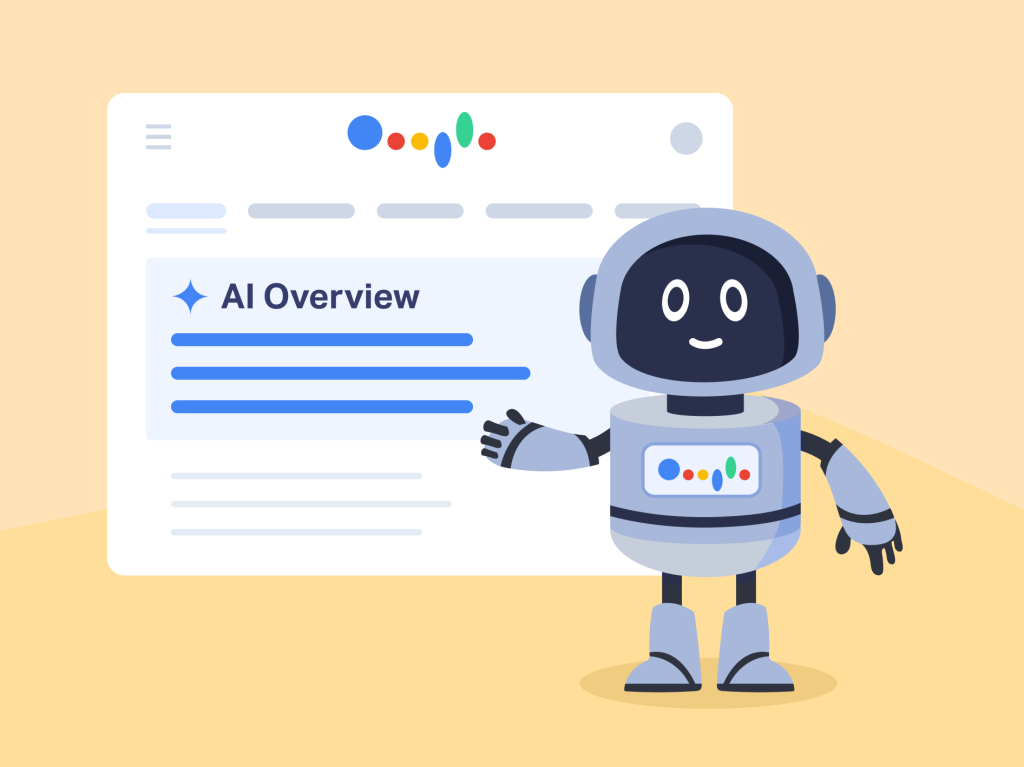
Now there’s a new player in the digital world: Answer Engine Optimisation. As more people turn to AI tools like ChatGPT, Siri, and Alexa for answers, businesses need to adapt. If you’re not showing up in their responses, you’re missing out.
🤔 What Is Answer Engine Optimisation?
Answer Engine Optimisation (AEO) is about making your content helpful, clear, and trustworthy enough for AI assistants and search bots to choose it as the best answer. Unlike traditional SEO, which tries to get you on Google’s front page, AEO aims to make your business the actual answer to someone’s question.
For small businesses, that’s a huge opportunity—especially if you’re looking to make AI work for you, not against you.
✅ How To Optimise for Answer Engine Results
Let’s make this simple. You don’t need a degree in computer science or a big marketing budget. In fact, most of these tips involve tweaking things you might already have.
1. Use FAQs to Power Your Answer Engine Optimisation
Start with your customers’ most common questions. Put them on your site—clearly—and answer them in plain language.
✅ “We sell water bottles that keep your drinks hot or cold all day.”
(Not ❌ “We provide thermal hydration solutions via advanced container technology.”)
FAQs help both customers and AI tools understand exactly what you do—and why it matters.
2. Keep Your Content Focused (for Better Answer Engine Optimisation)
Stick to your niche. If you’re a dog groomer, talk about grooming. If you’re an electrician, talk about wiring, safety, or installation tips.
AI tools value clear, focused content from people who know what they’re talking about. You don’t need to cover every topic—just own yours.
3. Use Natural Language That Matches What People Ask
Answer engines love content that sounds human. People don’t ask “thermal beverage units UK”—they ask “what’s the best water bottle to keep drinks cold?”
Write like you talk to customers in real life. That’s exactly the style AI models are trained to look for.
🧠 How Is Answer Engine Optimisation Different From SEO?
Good question. Think of SEO as the effort to get found. Answer Engine Optimisation, meanwhile, is the effort to become the answer.
Search engines list links. Answer engines give direct responses. With AEO, you’re not competing for clicks—you’re positioning your content to speak directly through AI tools and voice assistants.
💡 Why Small Businesses Should Care About Answer Engine Optimisation
AI is changing how people find information. Whether they’re using ChatGPT or shouting at Alexa from across the room, customers expect clear, quick answers. If your business provides them, you gain trust—and possibly sales.
You don’t need expensive software or fancy jargon. You just need to show up in the right places with helpful content.
🎯 Final Thoughts on Answer Engine Optimisation
Answer Engine Optimisation helps your business stay relevant in a world where AI increasingly delivers answers instead of search results.
Start small:
- Add a few FAQs
- Write like a human
- Focus on being helpful, not just being seen
If you’d like help reviewing your current content or updating your site for AEO, we’re here to make it simple—no buzzwords, no stress.
Author Profile

- Dale Bothe is an Aussie entrepreneur and digital marketer with a passion for building websites that actually work. After launching and scaling multiple eCommerce brands, Dale now helps small businesses create no-stress websites that look great and drive results. When he's not behind the screen, he’s probably wrangling toddlers or tweaking the perfect Shopify layout for fun.
Latest entries
 Business TipsJuly 11, 2025Automated Email Flows: 15+ Brilliant Ways to Boost Sales & Save Time (2025)
 Business TipsJuly 4, 2025Top 21 Best Web Design Websites in Australia to Inspire Your Next Business Site
 Business TipsJune 21, 2025Why Are People Visiting My Website But Not Buying?
 Business TipsJune 20, 2025Why Meta Titles & Descriptions Matter (And How to Fix Yours Fast)